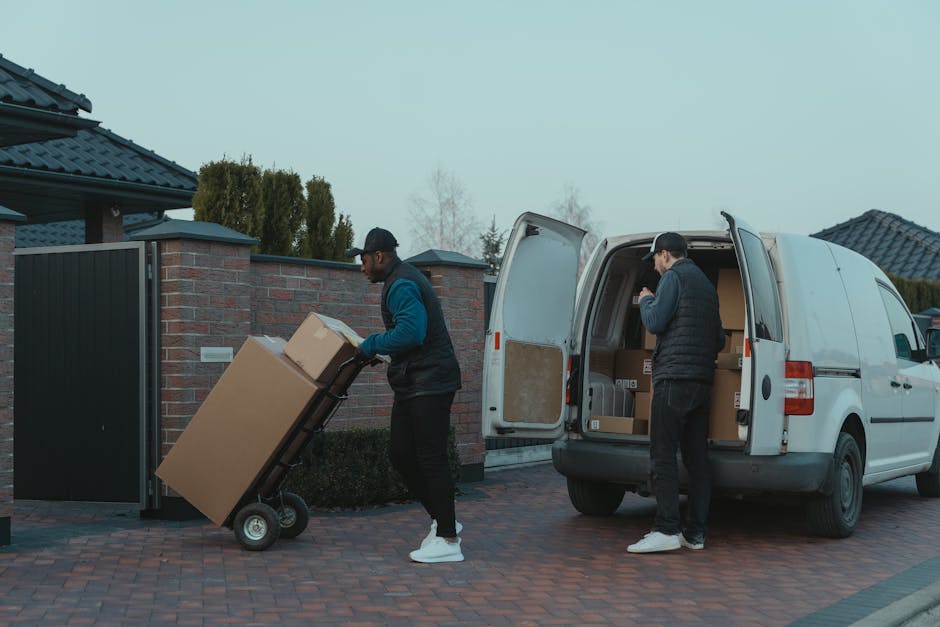
Man with a Van in Hornchurch

Our man with a van in Hornchurch service is built for practical moving work where a simple, well-planned vehicle and extra hands make the job easier to manage. It suits single items, part-loads and smaller household or business moves when you want transport, loading support and careful handling in one straightforward arrangement. The aim is to keep the process clear, flexible and suited to the size of the task rather than forcing you into a larger move than you need.
We handle moving jobs that benefit from a compact removal service, including furniture pick-up, local deliveries, room-to-room transfers and light moving support for homes or workplaces. Where customers need a fuller move, our service can cover larger collections of items too, provided the work is suited to a van-based approach. If you are comparing options, you can start by looking at our man with a van service for a broader overview of how the work is typically arranged.
For a quotation, it helps to think about the load itself: the number of items, access at both ends, stairs, parking and whether anything needs dismantling or careful wrapping. You do not need a long checklist, just a clear description of what needs moving and where it is going. If you would like to compare different move sizes, take a look at our removal services page and then request a quotation when you are ready.
Practical van-based moving for homes and small loads

A van-based move works best when the focus is on efficiency and care rather than complex logistics. This kind of service can suit customers moving a few pieces of furniture, boxed household items, smaller appliances or mixed belongings that do not justify a full-scale removal operation. It is also useful when the pickup and drop-off points are close enough for a straightforward journey but still need proper loading and securing.
Because every job is different, the right approach depends on what the items are and how they need to be moved. Sofas, beds, wardrobes and tables may require a different loading order to boxed contents or lightweight stock. If dismantling is needed, it should be considered before the day so the move can be planned sensibly. For households, our home moves page is a useful place to compare general moving support with smaller van-led transport.
Some customers only need one journey, while others need a few careful trips to complete the move without overfilling the vehicle. Both approaches can be sensible when managed properly. The important point is to match the transport to the load, the access and the timing. If you are moving from one property to another, our house removals page gives a fuller picture of domestic moving support.
Furniture pick-up, single items and careful loading

One of the most useful parts of a man with a van service is the ability to collect individual items without turning the job into a larger removal project. That can include a wardrobe bought privately, a sofa moving between addresses, or a dining set that needs lifting and transport. When the item is bulky, awkward or fragile, the main value lies in the handling as much as the van space itself.
Furniture work often benefits from simple preparation. Clear access paths, remove loose fittings where sensible and make sure the item is ready to be lifted without delay. If the item needs protection, that should be considered in advance so the right materials or wrapping can be used. For more collection-focused jobs, our furniture pick-up page describes the kind of work that can sit alongside a van-based move.
We also handle mixed loads where furniture is only one part of the task. For example, a customer may need a bed frame, a few boxes and a small table moved together. In those cases, the order of loading matters and so does the balance of weight inside the vehicle. The aim is to keep the move steady, safe and properly organised from start to finish.
Commercial moves and light office relocations
Van-based removals are not limited to households. Small commercial moves often need a practical vehicle, careful handling and enough room for boxes, office furniture and equipment without excessive disruption. This can work well for independent traders, small offices, studios and other businesses moving a limited amount of stock or furnishings from one site to another. The process should be planned around access, time and the type of items involved.
For business customers, it is usually helpful to think in terms of categories: desks, chairs, archive boxes, small shelving, display items or compact equipment. The clearer the load is at the quotation stage, the easier it becomes to judge the vehicle size and the likely time needed. Where the move involves workplace equipment, our commercial moves page gives a more direct route to the relevant service details.
Office moving often needs a steady, methodical approach rather than speed alone. Items should be loaded so that they can be unloaded in a useful order at the other end, especially when a team needs to resume work quickly. If your move is focused on desks, chairs or archive material, the office removals page may be a better fit for the type of work you need arranged.
What can affect the quotation

Quotation details should be based on the actual work rather than a rough guess. The most important factors are usually the volume of items, the weight of the load, the distance travelled and any access issues at either end. Stairs, narrow hallways, limited parking or long carries from the vehicle can all influence how a job is planned. Clear information makes the quote more accurate and helps avoid surprises later.
It is also useful to mention whether the move includes heavy furniture, breakable items, awkward shapes or items that need two people to handle safely. If there is a fixed collection time or a narrow delivery window, that matters too. When you are comparing options, the pricing and quotes page is a sensible place to start because it points you towards the kind of information that helps shape a fair estimate.
Useful details for a quote usually include the pickup and delivery areas, the main items to be moved and any access constraints. A short written description is enough to begin with, and photos can help where items are bulky or the route is tight, but the key is clarity rather than volume. If you are ready to take the next step, a concise enquiry is often the quickest way to request a quotation.
Packing, protection and handling
Some van moves are simple transport jobs, while others need a little more preparation to protect the load. Boxes should be sealed securely, loose fittings gathered together and fragile items separated from heavy ones where possible. When furniture is involved, blankets, covers or other protective materials may be useful to reduce scuffs and movement in transit. Good packing is not about overcomplicating the job; it is about making the load easier to carry and safer to move.
Where customers need support before loading begins, a packing stage can make the difference between a rushed move and an orderly one. Books, kitchen items, electronics and mixed household belongings are usually easier to manage when grouped sensibly. If you need help preparing items for transit, our packing and unpacking services page covers a related part of the moving process. That can be especially useful when the van move is only one part of a larger plan.
Not every item needs the same treatment, and that is why it helps to discuss the contents before the day. A mirror, a chest of drawers and a box of tools all call for different handling. The move should be arranged so the load stays balanced, the most delicate items are protected and the unloading order makes sense. Good handling is often what turns a routine move into one that feels calm and well managed.
About Hornchurch
Hornchurch is a suburban district in East London, within the London Borough of Havering, and it has a long history that reaches back well before the modern capital expanded eastward. The name is commonly associated with the historic parish and with the older core around the town centre, where streets, shops and civic buildings sit beside later residential development. Hornchurch is connected to the wider story of the London suburbs through its growth during the nineteenth and twentieth centuries, when rail and road links encouraged more housing and local commerce. The area also retains older references in its church heritage, with St Andrew’s Church standing as one of the best-known landmarks. Elsewhere, Hornchurch Country Park provides open land shaped by the former RAF Hornchurch airfield, so the local landscape combines built-up streets with spaces that reflect very different periods of use. Harrow Lodge Park, Langtons House and gardens, and the route of the River Ingrebourne all contribute to the district’s character. The Ingrebourne Valley, in particular, gives the area a stronger sense of green corridors than might be expected from a place so closely tied to London. Hornchurch also has a cultural life linked to its theatre, local shopping streets and community venues, while the wider borough adds libraries, schools and public amenities that serve the district and its neighbours. Taken together, these features make Hornchurch a place where historic traces, suburban growth and open parkland sit side by side in a way that is still visible today.
House moves and multi-item removals

When a van service is used for a house move, the work usually needs more structure than a single-item collection. The route, loading order and any furniture that has to be moved first should all be considered before the day. A smaller home, flat or shared property may be well suited to this kind of move, especially where the number of items is manageable and the access is straightforward. The goal is to move belongings without unnecessary stress or wasted trips.
House moving support often overlaps with other removal needs, such as bringing together items from several rooms, moving boxes separately from furniture or collecting objects from storage. That is why a good quote should reflect the actual contents rather than a generic property type. If you are preparing for a domestic move, our house movers page gives a useful overview of the kind of support that can be arranged for home-based removals.
In some cases, a move may sit between a furniture collection and a full household removal. That is where van-led transport can be especially practical, because it offers a middle ground between convenience and scale. The service should be planned to suit the load, the property layout and the timing, rather than treated as a one-size-fits-all task. If your move is very small, a compact service can often be the most sensible option.
Why customers choose a van-based move
A van-based removal is often chosen because it keeps the moving process simple. There is no need to arrange unnecessary vehicle capacity when the load is moderate, and the job can usually be adapted around the items rather than the other way round. That flexibility makes it useful for students, tenants, homeowners, landlords and business customers who need transport without an oversized setup. Practicality is often the main advantage.
It can also be a good choice when timing matters but the job does not require a large team. A single route, clear access and a sensible loading plan can be enough to complete a move efficiently. For customers comparing several removal options, our removals page offers a broader entry point into the different kinds of moving support available through the site. From there, you can decide whether a van-based service is the best match.
If you are moving a mixture of items, it is often better to group them logically before quoting and loading begin. Heavier objects should not be buried beneath lighter or fragile pieces, and anything that could shift in transit should be secured properly. A considered load is safer for the belongings, easier for handling and more predictable on arrival. Good order is often the difference between a cramped lift and a workable move.
Planning the move and making the day run smoothly
Two simple planning steps can make a noticeable difference: confirm the contents and make the access clear. If possible, keep the main items together in one place, and make sure the path from the property to the vehicle is unobstructed. That helps loading begin efficiently and reduces avoidable lifting back and forth. For moves with a few fragile or awkward items, a little thought beforehand is usually enough to avoid delays.
It also helps to note anything that needs special attention, such as disassembly, limited parking, shared entrances or restricted lift access. A concise description allows the move to be organised around the actual conditions rather than assumptions. If you want to compare different transport options, the moving van page is a relevant place to look at a van-led approach in more detail, especially when the move is practical rather than large-scale.
For a final check, make sure the moving day plan matches the scale of the job. If the contents include a mix of furniture, boxes and loose items, having them grouped and ready to load can save time and reduce handling complications. For a quote, a short message with the main details is usually enough. Send the essentials first, then add anything unusual if asked.
Related removal options and service detail
Some customers begin with a simple van collection and then decide they need a broader moving service. That is why it helps to understand how the various removal pages relate to one another. A smaller job can sit comfortably within the man with a van model, while a more involved domestic move may need a fuller removals arrangement. Choosing the right level of service is often about matching scope to the load, not adding complexity for its own sake.
If you want to see how different transport and moving pages are set out, the man and van removals page is a useful nearby option for comparison. It sits alongside the more general removal pages and can help you judge whether your job is best described as a compact transport task or a broader move. That distinction is especially useful when the load includes a mix of household and personal items.
For customers who prefer a straightforward final step, the best approach is usually to provide a clear summary and let the moving arrangement be matched to it. Include the number of large items, the approximate amount of boxes and any access issues, then request a quotation when you are ready. If you need the contact route itself, the final step can be made through our contact us page.