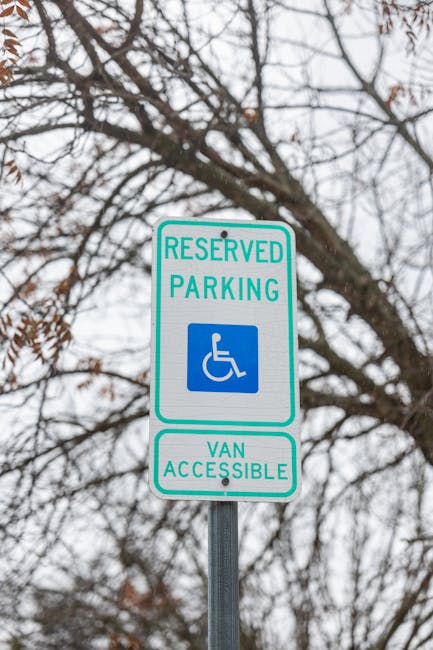
Havering Council van parking rules for Hornchurch removals
If you are arranging a move in Hornchurch, the parking question can become the thing that quietly ruins an otherwise tidy plan. A van that cannot stop close enough to the property means extra carrying, slower loading, stressed neighbours, and sometimes a parking ticket you really did not need. That is why Havering Council van parking rules for Hornchurch removals matter so much: they shape where the van can stop, how long it can stay, and whether your move feels organised or a bit chaotic.
This guide explains the practical side in plain English. We will cover how parking restrictions usually affect removals, what to check before moving day, how to reduce the risk of fines or delays, and which options make sense for different Hornchurch streets and property types. If you are booking a move or doing it yourself, a little planning goes a long way. Truth be told, it saves more hassle than most people expect.
Table of Contents
- Why Havering Council van parking rules for Hornchurch removals Matters
- How Havering Council van parking rules for Hornchurch removals Works
- Key Benefits and Practical Advantages
- Who This Is For and When It Makes Sense
- Step-by-Step Guidance
- Expert Tips for Better Results
- Common Mistakes to Avoid
- Tools, Resources and Recommendations
- Law, Compliance, Standards, or Best Practice
- Options, Methods, or Comparison Table
- Case Study or Real-World Example
- Practical Checklist
- Conclusion
- Frequently Asked Questions
Why Havering Council van parking rules for Hornchurch removals Matters
Parking is not just a background detail in a house move. In Hornchurch, where you may be dealing with narrower residential streets, terraced rows, flats, schools, or busier local roads, the difference between a legal stop and an awkward one can be huge. If the van cannot park where the loading actually happens, the job takes longer and the risk of damage goes up. That part is simple.
For removals, the council's parking rules matter because a van often needs to:
- stop close enough for safe lifting
- stay long enough to load or unload bulky items
- avoid blocking dropped kerbs, junctions, or driveways
- fit around resident permit bays, timed restrictions, and yellow lines
That all sounds obvious, but on move day the obvious things get forgotten. Boxes are everywhere. Someone is asking where the kettle went. The sofa is halfway through the doorway. And the driver is trying to judge whether a quick stop is actually legal. Not ideal.
When you understand the local parking rules early, you can choose the right vehicle, the right arrival time, and the right loading plan. That makes the move smoother for you and less disruptive for the street. It also helps protect your budget, because avoidable enforcement action is the kind of expense nobody wants after the final box is in the hallway.
How Havering Council van parking rules for Hornchurch removals Works
For any Hornchurch removal, the key is to separate parking availability from loading permission. A space might look empty, but that does not automatically mean it is okay to park there. Conversely, some bays allow short loading and unloading if you stay attentive and keep the vehicle attended. The details matter, and they can vary street by street.
In practical terms, most removals involve one or more of these parking scenarios:
- Permit bays where only residents or permitted vehicles can stay for longer periods
- Pay-and-display areas where time limits and payment conditions apply
- Single or double yellow lines where loading may be allowed, depending on signage and local restrictions
- Private forecourts or driveways where access needs to be arranged with the property owner
- Shared access roads where you must avoid obstruction and keep emergency access clear
A removal van usually needs the closest sensible stopping point, but that does not mean parking on a pavement, across a junction, or partly blocking a neighbour's gate. If the road is tight, it may be better to make a short carry from a legal bay than to force a risky stop right outside the front door.
For a bigger move, it is often worth checking whether the van can wait nearby while smaller loads are moved in stages. That approach can work well in Hornchurch streets where parking is limited during the school run or later in the afternoon. Small detail, big difference.
If you are booking a professional team, services such as man and van support or a dedicated removal van can make route planning easier because the vehicle, timing, and loading method are matched more closely to the property. For larger home or business moves, it may be worth reviewing home moves or commercial moves before you lock in the schedule.
Key Benefits and Practical Advantages
Getting the parking plan right is not glamorous, but it pays off in real ways. Here is what good planning usually gives you.
| Benefit | What it means in practice | Why it helps on moving day |
|---|---|---|
| Faster loading and unloading | The van can stop close to the entrance legally | Less carrying, fewer delays, lower effort |
| Lower risk of tickets | You avoid parking where restrictions apply | Protects the move budget |
| Less damage risk | Fewer awkward lifts over kerbs, steps, and parked cars | Helps keep furniture and walls safe |
| Better neighbour relations | You reduce obstruction and keep traffic flowing | Very useful in close-knit residential streets |
| More predictable timing | The van does not have to circle the block or wait for a space | Moves are less rushed and less messy |
There is also a psychological benefit, if that is not too grand a way to put it. When the parking side is sorted, the whole move feels more manageable. You stop worrying about the van and can focus on the practical stuff: keys, boxes, gas, internet, the hundred little details that show up all at once.
And yes, sometimes the best advantage is simply peace of mind. That matters more than people admit.
Who This Is For and When It Makes Sense
These parking rules are relevant to almost anyone moving in or out of Hornchurch, but they matter most if your property falls into one of the following situations.
- You are moving from a road with permit bays or limited waiting
- You live in a flat or maisonette with restricted access
- Your new home is on a busy residential street with narrow carriageways
- You have a larger van, box van, or more than one vehicle arriving
- You are moving during peak traffic times, school hours, or a weekend market-style rush
- You are handling a same-day move and need the plan to work first time
It also makes sense for landlords, letting agents, office managers, and anyone coordinating multiple people. For a student move, the issue is often speed and convenience. For a family move, it is usually access and volume. For an office relocation, parking becomes a logistics problem, not just a transport one.
If your move includes fragile or awkward items, the need for a sensible parking setup becomes even more important. A piano, for example, is not something you want carried half a street on a hot afternoon because the van was parked too far away. In that kind of situation, a service like piano removals can be especially useful because the access planning is usually more careful from the outset.
Step-by-Step Guidance
Here is a practical way to approach Hornchurch van parking before moving day. Simple steps, but they prevent a lot of headaches.
- Check the street layout early. Look at where the van would realistically stop. Think about entrance height, kerb space, turn-in room, and whether a tall vehicle could open its rear doors safely.
- Identify any restrictions. Notice permit bays, yellow lines, bay markings, timed limits, dropped kerbs, and driveway entrances. If signs are nearby, read them carefully. Do not assume the nearest empty space is fair game.
- Plan the loading point. Decide which door or entrance will be used. The best parking space is the one that supports the actual carry route, not just the one that looks closest on a map.
- Match the van size to the access. A larger vehicle may be efficient on paper, but not if it cannot manoeuvre easily. Sometimes a smaller man with van setup is simply more practical.
- Think about time of day. A quiet early morning move can be easier than a lunchtime arrival. You are trying to avoid traffic, school drop-off patterns, and the general weekday shuffle.
- Keep the load sequence organised. Put items you need first near the exit. If the van can only stay in a short loading spot, you do not want to waste the first ten minutes hunting for a mattress or a box of cables.
- Have a fallback plan. If the closest bay is taken, know where the next legal option is. The move should still work if Plan A is blocked.
A small but useful habit: walk the route from the van to the door before the heavy lifting starts. You will spot trip hazards, low branches, awkward gates, and the one broken paving slab that always seems to appear when you are carrying a wardrobe. Annoying, yes, but better to spot it early.
Expert Tips for Better Results
After enough moves, a few patterns become obvious. Here are the ones that make the biggest difference in real life.
- Book in a buffer. Do not schedule your van so tightly that one blocked space ruins the whole day. A little breathing room is worth it.
- Use the shortest sensible carry. If you can legally stop closer without causing obstruction, do it. If not, accept the longer carry and keep it safe.
- Protect the footpath and kerbs. Furniture corners and door frames do not like rushed manoeuvres. Neither do ankles, to be fair.
- Keep a driver or helper with the van. An attended vehicle is easier to manage and reduces confusion if a quick repositioning is needed.
- Label the key items. When time is limited, labels help you unload in the right order. It sounds small. It is not small.
- Tell neighbours in advance if access will be tight. A polite heads-up can prevent complaints and avoid someone unexpectedly moving their car into your spot.
If you are moving a full household, using packing and boxes support can make the loading sequence much easier because everything is grouped, stacked, and ready to go. For more complex jobs, packing and unpacking services can save serious time on the day and reduce the stop-start rhythm that causes parking stress to snowball.
One more thing: if the move includes storing items between addresses, the parking plan at collection and drop-off should be considered together. A service like storage can ease pressure if you do not need everything shifted in one go. That can be a quiet lifesaver when access is awkward.
Common Mistakes to Avoid
Most parking problems on removals are not dramatic mistakes. They are small assumptions. And then, suddenly, they are not small anymore.
- Assuming a short stop is always fine. Loading rules are not the same as casual stopping. Always check the signs and the road markings.
- Forgetting the van's actual length. The space that looks okay for a car may not work for a long wheelbase vehicle.
- Blocking the neighbour's driveway. Even a "just for five minutes" stop can create unnecessary tension and delay.
- Ignoring the return journey. Unloading at the new place may be easier or harder than the pickup point. Plan both ends.
- Leaving it until the last minute. Move day is the worst possible time to discover the road is tighter than you thought.
- Using the wrong type of vehicle for the property. A huge van is not automatically better. Sometimes a more flexible vehicle wins.
Another common one: people load the van as if the parking spot will stay available for an hour, only to find the restriction changes mid-move. That is the kind of thing that turns a tidy plan into a bit of a scramble. Better to stay conservative.
Tools, Resources and Recommendations
You do not need a complicated toolkit to handle Hornchurch removal parking well. A few practical tools and habits are enough.
- Street check before the move: walk or drive the route in advance if you can.
- Simple timing notes: write down when the van should arrive, when loading starts, and when it should leave.
- Measuring tape: handy for doorways, furniture, and any tight parking gaps that need a reality check.
- Phone camera: useful for recording access issues, especially if you need to brief the mover or note a narrow entrance.
- Box labels: they help shorten the unloading process, which matters when parking time is limited.
If you are comparing moving options, it can help to review removals and removal services side by side with your own access needs. Some moves need a straightforward vehicle-and-driver setup. Others need a fuller service where access, packing, and timing are managed more closely.
For homeowners, families, and landlords handling full properties, house removals may be more appropriate, especially if the furniture volume is higher or the building access is tricky. For office teams, it is worth looking at office removals and, where relevant, office relocation services so the parking and building access are coordinated properly.
Law, Compliance, Standards, or Best Practice
Parking near a removal property is not just about convenience. It sits within normal road safety and traffic compliance expectations in the UK. In practice, that means the driver and the people helping with the move should avoid blocking traffic, ignore restrictions only when they genuinely permit loading, and keep the vehicle positioned so it does not create a hazard.
Best practice is straightforward:
- obey all road signs and bay markings
- do not assume loading is allowed without checking the local restrictions
- do not obstruct access points, junctions, cycle lanes, or emergency routes
- keep the vehicle attended where practical
- use a parking position that supports safe lifting and carrying
If the move involves business equipment or repeat access, standards of care matter even more. A commercial move should protect staff, goods, and the public. That is where a more structured plan from a team offering office relocation services or a larger moving truck arrangement may be the better fit.
For the reader who wants the plain version: if the space looks questionable, it probably is. Check it properly. That one habit prevents most trouble.
Options, Methods, or Comparison Table
Different Hornchurch removals call for different parking and vehicle strategies. Here is a practical comparison that can help you choose.
| Approach | Best for | Strengths | Limitations |
|---|---|---|---|
| Small van with flexible access | Flats, student moves, lighter loads | Easier to park, easier on narrow roads | May require more trips |
| Standard removal van | Most household moves | Good balance of capacity and manoeuvrability | Needs proper parking space planning |
| Larger truck or multi-item load | Big homes, offices, bulky furniture | Fewer journeys, efficient for large volumes | Harder to fit on some Hornchurch streets |
| Split move with storage | When access is tight or timing is awkward | Reduces pressure on parking and unloading | Needs extra coordination |
There is no perfect setup for everyone. The right option depends on the road, the building, the size of the load, and how much time you have. A student moving from a first-floor flat and an office manager shifting archive cabinets are not solving the same problem at all.
Case Study or Real-World Example
Consider a typical Hornchurch move: a family leaving a semi-detached house on a residential road with limited waiting and a narrow front approach. The road has a mix of parked cars, and the property sits just far enough from the nearest legal bay to make a straight carry possible, but a little awkward. The first instinct is to stop directly outside the house. Convenient, yes. Safe or legal? Not always.
In this situation, a better plan would be to:
- arrive slightly earlier than the first heavy lift
- identify the closest legal loading point
- clear the front hallway before the van arrives
- use labelled boxes so priority items go out first
- keep one person watching the van while the others carry
The result is usually a calmer move. The carry is a little longer, but the team avoids circling the block repeatedly, and there is less chance of a neighbour's complaint or a parking dispute. It is not fancy. It just works.
On another day, the same logic helps a flat move where there is no real stopping space outside the building. In that case, the best choice might be a smaller van and a staged unload, rather than trying to force a big vehicle into a tight street. Sometimes the smarter move is the less dramatic one. Bit boring, but brilliant.
Practical Checklist
Use this checklist the day before and again on the morning of the move.
- Confirm the property address and the best loading entrance
- Check parking signs, bay markings, and yellow line restrictions
- Decide where the van will stop if the first option is unavailable
- Match the van size to the street access
- Label boxes and keep essentials separate
- Clear the hallway, stairs, and front path
- Protect floors, corners, and door frames where needed
- Tell neighbours if the move may briefly affect shared access
- Keep keys, paperwork, and mobile numbers to hand
- Review backup options if the road is busier than expected
If you are moving a smaller load or need help with one-off transport, same-day removals may be a sensible choice when timing is tight. For lightweight collections, furniture pick-up or furniture removals can be a straightforward way to keep access simple and efficient.
For students, a focused service like student removals can be a practical fit because the load is usually smaller, the timing tighter, and the parking needs more flexible. For businesses, removal truck hire may be appropriate when you need more volume and a more structured moving plan.
Get a free quote today and see how much you can save.
Conclusion
Hornchurch removals are much easier when the van parking side is handled properly from the start. You do not need a complicated strategy, just a careful one: check the street, respect the restrictions, choose the right vehicle, and keep the loading process organised. That is the formula that tends to work.
Havering Council van parking rules for Hornchurch removals are really about balance. Good access without unnecessary obstruction. Fast loading without sloppy parking. A smooth move without the last-minute scramble. And if you get those pieces right, the rest of the day usually feels far less stressful than you feared at 7 a.m. with the kettle on and boxes in every room.
Moving day can be a lot. But with a clear plan and a calm approach, it becomes manageable, and that is often enough.
Frequently Asked Questions
Can a removal van park on double yellow lines in Hornchurch?
Sometimes loading and unloading may be possible on yellow lines if the local restrictions allow it and the vehicle is not causing an obstruction. You should always check the signs and treat it cautiously, because assumptions are where most trouble starts.
Do I need permission to use a van for a house move in Hornchurch?
Not usually in the sense of a special move permit, but you do need to comply with the road restrictions that apply on the street. If the road has permit bays or timed restrictions, those rules still matter during a removal.
What is the safest van size for a Hornchurch removal?
The safest van is the one that fits the access properly. A smaller van may be easier on tight residential roads, while a larger removal van can work well if there is enough space to stop and load safely.
How early should I check parking before moving day?
Ideally, check a few days before the move. That gives you time to spot restrictions, identify a fallback space, and change the vehicle plan if needed. Leaving it to the morning of the move is a bit too optimistic, honestly.
Can a van wait outside while we carry boxes out?
If the space and restrictions allow it, yes. The key point is that the vehicle must be parked legally and safely. An attended van in a lawful loading area is usually the best outcome.
What if the street is too narrow for a large removal truck?
Then a smaller vehicle, split loads, or a different access plan may be better. In some cases, using a man with van style setup is simply more practical than forcing a big truck into a tight road.
Are there better times of day for removals in Hornchurch?
Often, yes. Early mornings can be easier because the roads are quieter and parking is more available. Midday or the school run can be more awkward, especially on residential streets with limited space.
How do I avoid fines during a removal?
Read the signs, avoid blocking access, use a sensible loading point, and do not assume a brief stop is automatically allowed. If in doubt, plan for a legal fallback space rather than taking a risk.
Is it worth using a professional removal service for parking planning?
Usually yes, if the access is tricky or the move is large. A professional team can often judge vehicle size, loading flow, and parking pressure more realistically than a first-time mover.
What should I do if another car takes the space I planned to use?
Use your fallback option. That is exactly why it helps to identify one in advance. A good move plan should survive a small surprise without falling apart.
Does furniture packing affect parking needs?
Absolutely. Well-packed items load faster and more cleanly, which reduces the time the van needs to stay in place. That can make a real difference if parking is limited or closely timed.
Can I combine storage with a difficult Hornchurch parking situation?
Yes, and that can be a smart option. If you do not need everything moved at once, storage can reduce pressure on the van, the street, and the unloading schedule.
Where should I start if I want the move handled properly?
Start with the access question, not the boxes. Once you know where the van can stop, the rest of the move becomes much easier to plan. From there, compare service options such as removals, house removals, or man and van depending on your load and schedule.