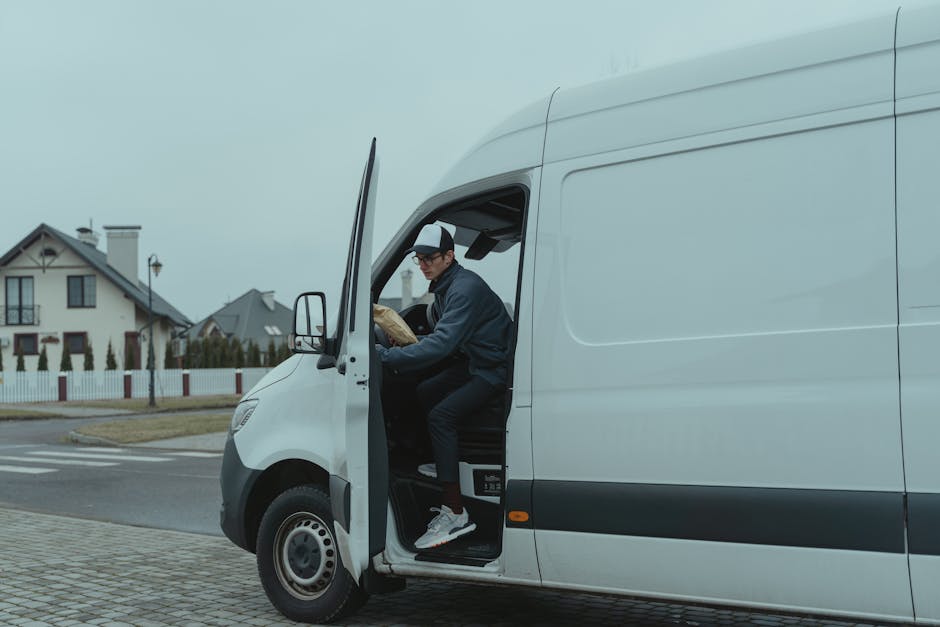
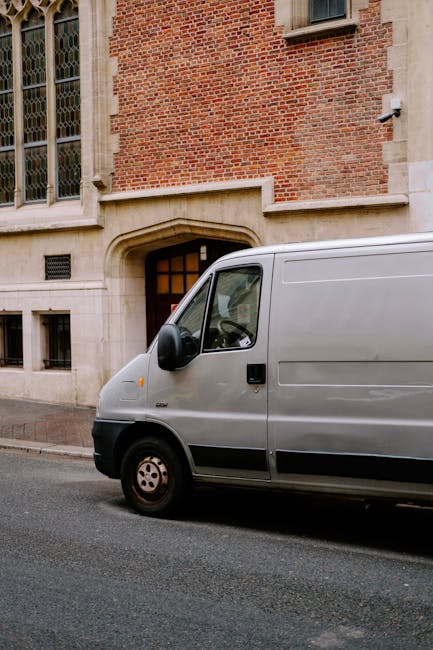
Queens Theatre van and driver drop off rules and tips
If you are planning a theatre visit with a van, a private driver, a minibus, or even a bigger vehicle carrying passengers and luggage, the drop-off side of the journey can make or break the whole evening. The good news? A little preparation goes a long way. This guide to Queens Theatre van and driver drop off rules and tips explains how to approach arrivals calmly, avoid awkward last-minute manoeuvres, and keep everyone moving safely. Whether you are heading to a performance, managing a group booking, or coordinating a tight schedule, the practical details matter more than people often realise.
Let's face it: the stress usually starts before the curtain rises. A missed turn, a busy kerb, or a driver who is not sure where to stop can set the wrong tone. So below you will find a clear, grounded guide with sensible advice, local transport thinking, and a few small tricks that help in real life, not just on paper.
Table of Contents
- Why Queens Theatre van and driver drop off rules and tips Matters
- How Queens Theatre van and driver drop off rules and tips Works
- Key Benefits and Practical Advantages
- Who This Is For and When It Makes Sense
- Step-by-Step Guidance
- Expert Tips for Better Results
- Common Mistakes to Avoid
- Tools, Resources and Recommendations
- Law, Compliance, Standards, or Best Practice
- Options, Methods, or Comparison Table
- Case Study or Real-World Example
- Practical Checklist
- Conclusion
- Frequently Asked Questions
Why Queens Theatre van and driver drop off rules and tips Matters
Good drop-off planning is not just about convenience. It affects safety, punctuality, and the overall experience for everyone involved. At a busy theatre location, vehicles may need to share space with pedestrians, taxis, delivery traffic, and people who arrive a bit flustered, which is fairly common before showtime. If a van stops in the wrong place or blocks access, the driver can end up causing delays for others and more pressure for the passengers inside.
This is especially important for groups arriving together. A theatre visit is one of those moments when timing matters in a very ordinary but very real way. You want to arrive early enough to get settled, but not so awkwardly that everyone ends up standing around in the cold, watching the driver try to squeeze into a space that was never really meant for stopping. In practice, a smooth drop-off is part planning, part communication, and part common sense.
For people organising larger journeys, it helps to think beyond the front door of the venue. If your day also involves moving bags, props, event equipment, or other bulky items, services such as man and van transport in Hornchurch or a dedicated removal van service may be useful for the wider trip. That broader planning mindset often prevents stress later on.
How Queens Theatre van and driver drop off rules and tips Works
The basic idea is simple: the driver should use an appropriate stopping point, unload or let passengers out quickly and safely, then move on without lingering where stopping is restricted. But in real life, the details depend on the vehicle size, the time of day, local traffic conditions, and how busy the area is around the venue.
Most theatre drop-offs work best when the driver already knows three things: where to approach from, where passengers can exit safely, and where the vehicle should go immediately after the stop. Sounds basic, I know. Yet this is exactly where problems creep in. A driver who is unfamiliar with the area may slow down suddenly, miss a turn, or need to loop round again. That is avoidable with a little pre-checking.
For vans and larger people carriers, the practical aim is usually to keep the stop brief and predictable. If you are also juggling luggage, shopping, costumes, or equipment, it may make sense to combine the outing with a broader move using a man with a van in Hornchurch or even full removals support where needed. That is less about selling a service and more about choosing the least complicated way to move people and items efficiently.
Think of the process in three short stages:
- Before arrival: confirm the route, the time, and the likely stopping point.
- At the theatre: keep the stop short, safe, and clear of access routes.
- After drop-off: move the vehicle away promptly so the kerb space stays usable.
That rhythm is the heart of good drop-off etiquette. Nothing glamorous, but it works.
Key Benefits and Practical Advantages
Following sensible drop-off rules brings obvious benefits, but some of the less obvious ones matter just as much. The biggest advantage is usually reduced stress. When the driver knows where to stop, passengers are not left hovering at the roadside wondering if this is the right entrance, or whether they need to cross traffic with a coat in one hand and a theatre ticket in the other.
There is also a practical timing benefit. Theatre arrivals often run on a narrow window, especially if the performance starts at a set time and the group wants a quick pre-show drink or toilet break. A clean drop-off keeps the whole plan on track.
Other benefits include:
- Better safety: fewer rushed crossings and less unloading in awkward spaces.
- Smoother traffic flow: less obstruction for other vehicles and pedestrians.
- Cleaner communication: everyone knows who is doing what and when.
- Less vehicle wear and tear: fewer unnecessary loops, reverses, and sudden stops.
- More professional presentation: particularly useful for event organisers, corporate bookings, or group travel.
If you are moving a group from another part of Havering or beyond, services such as house removals in Hornchurch and office removals support can be relevant when the trip is part of a larger move or a temporary relocation. The key point is simple: a vehicle plan is only as good as the arrival plan.
Who This Is For and When It Makes Sense
This topic matters to a wider group than you might expect. It is not just for theatre-goers in a standard car. It is useful for families, carers, group organisers, event planners, business visitors, and drivers handling larger vehicles or time-sensitive schedules.
You will benefit most from these rules and tips if you are:
- bringing elderly relatives or children to a show;
- coordinating a group booking;
- driving a van, MPV, or minibus;
- moving bags, promotional items, costumes, or equipment;
- trying to minimise walking distance for someone with limited mobility;
- planning a visit during a busy evening or weekend slot.
It also makes sense if your theatre journey is part of a bigger logistical chain. For example, someone may be using removal services in Hornchurch, then heading on to an evening event, or booking packing and boxes support before moving items for a production or social function. Real life is messy like that. One plan often bleeds into another.
And yes, if you are simply a passenger being dropped off for a nice night out, the advice still helps. A calm, well-timed drop-off is a small thing, but small things stack up.
Step-by-Step Guidance
If you want the whole process to feel straightforward, use this step-by-step approach.
- Check the venue timing early. Look at your show time, arrival target, and any pre-booked plans such as dinner or drinks. Build in a buffer. Trains run late, traffic happens, and somebody always "just needs five minutes".
- Agree the vehicle type. A standard car, a small van, and a larger removal-style vehicle each need different space and handling. If you are unsure, match the vehicle to the actual number of passengers and the luggage volume, not the idealised version in your head.
- Plan the route before leaving. Drivers should know the approach roads, likely congestion points, and where they can stop without creating a hazard. If the journey is part of a wider local move, a dedicated removal company in Hornchurch can help you think through vehicle size and timing more systematically.
- Keep contact between driver and passenger clear. One phone call or text before arrival is often enough. Avoid a stream of messages while the vehicle is already circulating nearby. That way lies confusion.
- Choose a safe stopping point. The best drop-off spot is usually one that is close enough for comfort but not so close that it blocks access, junction visibility, or pedestrian movement.
- Unload or alight quickly. The goal is to be organised, not rushed. Get out, check belongings, and move away from the vehicle without hanging around in the roadway.
- Move the vehicle on. Once passengers are safe, the driver should clear the area promptly. That is courteous, and in busy places it is simply the right thing to do.
A useful real-world habit is to nominate one person as the point of contact. That way the driver is not trying to answer three people at once, and the passengers are less likely to assume someone else has already handled the plan. Simple. Effective. Slightly less chaotic.
Expert Tips for Better Results
The best drop-offs are the ones nobody notices. They feel almost invisible because everything happens in the right order. Here are the details that usually separate a decent plan from a genuinely smooth one.
- Arrive a little earlier than you think you need to. Not absurdly early, just enough to absorb traffic or a slow passenger transfer.
- Pre-pack what you need first. Tickets, phone, keys, umbrella, medication, wallet. If someone has to rummage through five bags on the kerb, the whole thing gets messy fast.
- Avoid blocking visibility. Even a brief stop can be awkward if it sits near a crossing point or bends traffic sightlines.
- Use lightweight luggage where possible. If a person only needs a coat and a small handbag, do not send them out with half the house. That sounds obvious, but well, people do it.
- For groups, split the roles. One person handles the booking or navigation, another checks the passengers, and the driver focuses on the road.
- Have a fallback plan. If the first stopping point is occupied, everyone should know the second-best option without a long discussion at the roadside.
If you are handling equipment or bulkier items before or after the theatre visit, it may be worth using storage in Hornchurch to break the trip into manageable parts. That can be surprisingly helpful for performers, organisers, and anyone whose day is already full enough.
One more thing: if your schedule is tight, think in terms of minutes, not hopes. "We'll be fine" is not really a plan.
Common Mistakes to Avoid
Most drop-off problems are not dramatic. They are small, preventable mistakes that snowball. The good news is that once you know the pattern, they are easy enough to avoid.
- Assuming the driver knows the area. Never rely on familiarity if the route is new or the venue access is tight.
- Leaving arrival too late. A hurried entrance is stressful, and it can also push the driver into rushed stopping decisions.
- Blocking a kerb or entrance. Even for a very short time, this can create unnecessary friction for others.
- Not checking luggage size. A small vehicle can become the wrong vehicle very quickly if the bags multiply at the last minute.
- Letting passengers drift out one by one without coordination. That usually leads to delay, confusion, and somebody saying, "Hang on, where's my ticket?"
- Ignoring mobility needs. If someone in the group needs less walking, plan that from the start instead of improvising at the pavement.
There is also a less obvious mistake: treating the drop-off as separate from the rest of the day. In practice, it is part of the whole journey. If your return time, parking arrangement, or onward travel is unclear, the theatre arrival becomes harder than it needs to be. A little joined-up thinking saves a lot of fuss.
Tools, Resources and Recommendations
You do not need fancy kit to get this right. A few ordinary tools and a clear process are usually enough.
- Phone maps: helpful for live traffic awareness and route changes.
- Shared calendar invite: useful if several people are travelling together.
- Text message updates: good for confirming arrival, especially if the driver and passengers split up briefly.
- Small checklist: tickets, payment, keys, spare battery pack, accessibility needs.
- Suitable vehicle service: a van or removal-style vehicle if you are carrying more than a standard car can sensibly handle.
If your trip involves any kind of move, setup, or back-to-back transport task, browsing removal van options and practical man-and-van help can be a sensible next step. Those pages are especially relevant if you need transport support that is flexible rather than overcomplicated.
You can also use the company's contact page if you want to ask about availability, vehicle suitability, or help with a one-off journey. Sometimes a quick conversation clears up more than ten minutes of guessing ever could.
Law, Compliance, Standards, or Best Practice
For drop-offs near a theatre or any public venue, the safest approach is to follow the local rules, traffic signs, and venue instructions that apply on the day. That may sound a bit broad, but it is the honest answer. Restrictions, loading allowances, and stopping permissions can vary depending on the street, the time, and whether there are temporary arrangements in place for events or roadworks.
In general, the best practice is straightforward:
- do not stop where signs or markings prohibit it;
- do not block pedestrian routes or accessible access points;
- keep your loading or unloading brief;
- make sure the driver can see clearly before moving off;
- use extra care where passengers have mobility needs, children, or heavy items.
If you are using a larger van, remember that practical vehicle awareness matters. Space, turning room, and reversing room become more important as the vehicle size increases. That is true whether you are doing a theatre drop-off or using office removals assistance elsewhere in the week.
It is also wise to respect any venue staff guidance. Even when instructions seem a little inconvenient in the moment, they are usually there to keep flow moving safely. A calm, cooperative driver and a well-informed passenger group are far less likely to run into trouble.
Options, Methods, or Comparison Table
Different travel setups suit different needs. The right choice depends on how many people you are moving, what you are carrying, and how much flexibility you need. Here is a simple comparison.
| Method | Best for | Pros | Watch-outs |
|---|---|---|---|
| Standard car drop-off | 1 to 4 passengers with light luggage | Simple, quick, easy to park or move on | Limited space if several people bring bags |
| MPV or people carrier | Families or small groups | More room and comfort | Needs a bit more kerb space and route planning |
| Van drop-off | Group gear, large luggage, event items | Flexible and practical for bulky loads | Harder to manoeuvre in tight streets |
| Man and van service | Mixed passenger and item transport | Useful for one-off, tailored journeys | Needs clear communication about timing and access |
For many readers, the most useful option is not the biggest vehicle, but the one that fits the plan cleanly. That may be a small van, a standard car, or a straightforward local transport service. If you need a broader move rather than a single drop-off, you can also look at general removals in Hornchurch to keep everything under one umbrella.
Case Study or Real-World Example
Picture a small group heading to an evening performance. There are four passengers, two larger coats, one compact bag, and one person who prefers minimal walking because they have had a long day. The driver is using a van rather than a car, mostly because the group is travelling together and the route home afterward will involve a couple of errands.
Instead of arriving at the last minute and stopping in the first available gap, they agree the route in advance. One passenger sends the final destination pin. Another checks the show time. The driver knows the best place to pull in is just long enough for everyone to step out safely. No one is hunting for tickets in the footwell. No one is shouting directions through a half-open window. It all feels almost boring, which in transport terms is a compliment.
After drop-off, the driver moves on quickly, leaving the frontage clear for other vehicles and pedestrians. The group enters relaxed, not flustered. That is the real value of good planning: the evening starts before the curtain rises, and it starts well.
If the same group had been carrying stage items, printed materials, or boxes for another event, they might have considered a more organised service such as packing help and boxes or even a more comprehensive moving arrangement. Different job, same principle: match the transport method to the actual task.
Practical Checklist
Use this quick checklist before you leave. It is simple, but it catches the common things people forget when they are in a rush.
- Show time confirmed
- Arrival time buffered with extra minutes
- Driver and passengers know the agreed stop point
- Vehicle size suitable for passengers and luggage
- Route checked for likely traffic pinch points
- Mobility needs considered
- Tickets, phone, keys, and essentials ready
- Backup meeting point agreed if the first stop is busy
- Driver contact details saved and easy to reach
- Plan for moving on immediately after drop-off
If you are still refining the wider transport plan, the company's about us page is useful for understanding the service approach, while the contact page is the obvious next step if you need to ask something specific. Straightforward, no fuss.
Conclusion
Getting Queens Theatre van and driver drop off rules and tips right is mostly about being thoughtful before the vehicle even sets off. Choose the right vehicle, agree a sensible stopping point, keep the drop-off brief, and make sure everyone knows the plan. That is usually enough to turn a potentially awkward arrival into a smooth part of the evening.
And that smoother arrival matters more than people think. It keeps the mood light, protects safety, and gives the whole outing a better start. Truth be told, that is what good transport planning should do: quietly remove friction so the actual event can shine.
Get a free quote today and see how much you can save.
For a practical, human approach to transport and removals, explore the wider local service options and choose the support that fits your day, your route, and your pace. A little preparation now can save a lot of scrambling later, and honestly, that's one of the nicest feelings in a busy week.
Frequently Asked Questions
Can a van stop directly outside Queens Theatre?
It depends on the exact street layout, traffic conditions, and any stopping restrictions in place at the time. The safest approach is to treat the nearest convenient stopping point as temporary only and keep the vehicle moving once passengers are out.
What is the best time to arrange a theatre drop-off?
Usually a little earlier than the show start time, with enough buffer for traffic and a short walk from the drop-off point. If the plan involves several people, allow extra time for last-minute delays. They always happen, don't they?
Is a people carrier better than a van for theatre transport?
For smaller groups with light luggage, a people carrier can be more comfortable and easier to position. A van makes more sense if you are carrying bulky bags, equipment, or need extra flexibility for a larger load.
What should the driver do if the first stopping point is busy?
The driver should use the pre-agreed backup option rather than waiting awkwardly or blocking traffic. A clear fallback plan is one of the simplest ways to avoid stress.
Do passengers need to get out quickly at the drop-off point?
Yes, but not in a rushed or unsafe way. The goal is a calm, efficient exit: gather essentials, step out safely, and move clear of the vehicle so the driver can continue.
What if someone in the group has limited mobility?
Then that should shape the plan from the start. Choose the most practical stopping point available, avoid unnecessary walking, and let the driver know about any special access needs before arrival.
Can I use a removal-style vehicle for a theatre visit?
Yes, if the vehicle size fits the journey and the driver can stop safely and briefly. This can be useful for groups with luggage or event items, although it is more important to keep the drop-off simple than to use the largest vehicle available.
How do I avoid confusing the driver at a busy venue?
Send one clear message with the arrival time, vehicle details, and stopping instructions. Too many messages, especially while driving, tend to create more confusion than clarity.
Are there special rules for dropping off near theatres in London?
Rules can vary by location, road markings, signage, and local access arrangements. In practice, the safest method is to follow on-street restrictions, venue guidance, and any temporary traffic controls that apply on the day.
What is the most common mistake people make?
Leaving the arrival plan to the last minute. It sounds minor, but it often leads to rushed turns, poor stopping choices, and unnecessary stress for everyone involved.
Should I book a transport service for a one-off theatre trip?
If the group is large, the luggage is awkward, or the timing is tight, yes, a tailored service can be a good idea. If it is just a simple visit, a smaller vehicle plan may be enough. The right answer depends on the real-world details, not just the number of seats.
How can I make the journey feel less stressful overall?
Keep the instructions simple, leave a sensible time buffer, and make sure everyone knows the pickup and drop-off plan before the day arrives. Small organisation now saves a lot of faffing about later, which is a win in anyone's book.